RM2 · A12 / A127 · 1 mi from Romford
Colour-Matched Board Replacement in Gidea Park
Full-floor replacement is rarely necessary when only a few boards are damaged. In RM2 we've saved dozens of Victorian and Edwardian floors from being ripped up over 3 or 4 bad boards. The cost difference is huge: full replacement £80–£150/m², targeted board swap £320–£800 for the whole job.
From £320 · 1–3 boards from £320 including sand and finish blend. Larger swaps quoted after survey.
Typical turnaround: 1 day for 1–3 boards; 2–3 days for larger areas including sand & refinish blend.
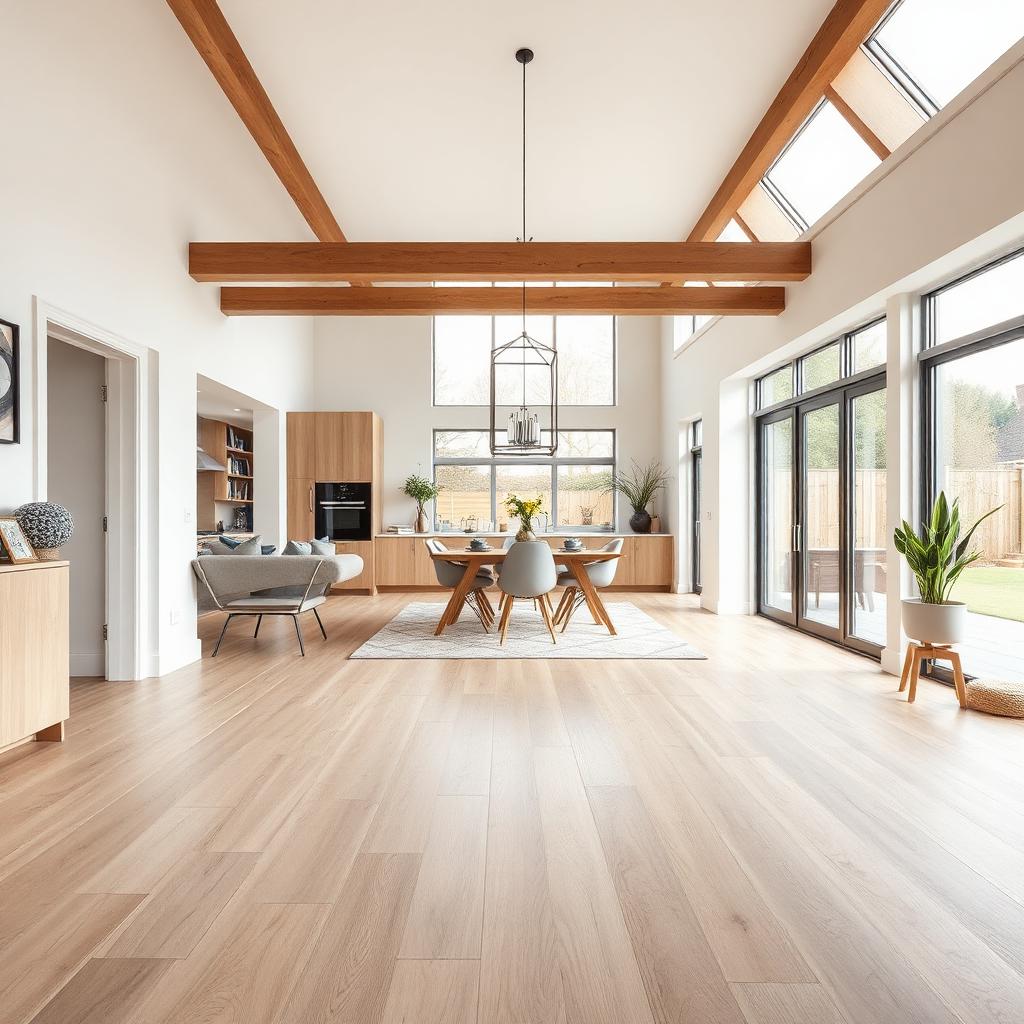
What you're seeing in Gidea Park
Common signs we diagnose in RM2 board replacement calls:
- Woodworm holes concentrated in specific boards
- Board that has been previously repaired badly and is now visible
- Water damage on a small number of boards from a localised leak
- Historic stain that won't sand out (pet urine, ink, chemical)
- Single or few boards deeply damaged (burn, split, pet urine, deep gouge)
Why Gidea Park clients pick us
- Species and cut identification on site — real experience, not guesswork
- Working Gidea Park weekly — RM2 references on request
- Species and cut identification on site — real experience, not guesswork
- Working Gidea Park weekly — RM2 references on request
What's actually happening
The likely root causes in Gidea Park's 1930s semi homes and along A12 / A127:
- 1
Poor previous repair (mismatched board, wrong species, wrong direction)
- 2
Localised accident — dropped item, appliance failure, moved furniture
- 3
Radiator leak damaging specific boards below the valve
- 4
Extension boards that were laid to match existing but drifted over time
- 5
Historic woodworm damage concentrated in a few boards
Our repair process in Gidea Park
Step 1
Board identification & source
We identify species (visual + moisture-check density), cut, thickness and width. Then source: reclaimed stock, salvage from a hidden area of your floor (under a fitted unit), or new-matched.
Step 2
Lift the damaged board
Score along the tongue with a multi-tool to isolate the board, then lift without splitting the surrounding boards. Slower with tongue-and-groove but the neighbouring boards stay intact.
Step 3
Sub-deck check
With the board out we check the sub-deck for joist condition, fixings, moisture. Any issues get flagged and fixed before the new board goes down.
Step 4
Fit & fix new board
New board planed to thickness (if reclaimed), tongued/grooved to fit, glued and nailed or screwed exactly as the original. Boards are the same direction and grain match as much as possible.
Step 5
Sand flush & colour match
Local sand-back to blend new board with surrounding floor. Stain-match to bring the new wood to the aged tone. Finish coat over the repair area (or the whole room if we're refinishing anyway).
Materials & method
Exactly what we use on Gidea Park board replacement jobs — no vague "trade-quality" waffle.
- Reclaimed Victorian pine, Edwardian oak, 1930s beech stock for period matching
- Bostik Ultraset SF wood-flooring adhesive for T&G joints
- Lost-head cut nails (period-correct) or screws depending on original floor spec
- Bona ColorFix and Osmo StainTint for pre-finish colour matching to aged surroundings
Timeline: 1 day for 1–3 boards; 2–3 days for larger areas including sand & refinish blend. · Price: from £320 · 1–3 boards from £320 including sand and finish blend. Larger swaps quoted after survey.
The straight answer for Gidea Park
The mistake we see in Gidea Park is homeowners assuming a couple of bad boards mean the whole floor needs to go. It almost never does. Come to us first — we'll tell you honestly whether replacement or repair is the right call, and 4 times out of 5 it's repair.
Board Replacement in Gidea Park — common questions
- Can you replace boards under fitted furniture?
- If we can access — yes. Sometimes we lift a unit temporarily to access damaged boards below. We work with your fitted-furniture installer if needed.
- Do you cover Romford and nearby postcodes?
- Regularly — Gidea Park is on our Romford route, about 1 miles from the centre. Free identification and sourcing check on the survey visit.
- Will the new board be visible after finishing?
- In good light and close up, yes — briefly. Within 6 months of normal use and UV exposure, most replacements blend near-invisibly. Complete invisibility depends on species; oak matches faster than walnut.
- What about tongue-and-groove — can you lift a single board?
- Yes — we score along the T&G with a multi-tool to isolate the board, then lift it whole. Slower than nail-heads-up floors but preserves the neighbouring boards. This is 80% of what we do in modern engineered floors.
- Will the sanding blend work?
- For solid-wood floors, yes — the new board gets sanded flush and stained to match. For engineered floors we usually don't sand the surrounding area, so the new board's finish comes from the manufacturer's pre-finish (we source finished boards matching the existing).
- How do you match new boards to my old floor?
- Species and cut first (visual identification and, sometimes, density testing). Then source — reclaimed stock for older floors, salvage from a hidden area of your floor for perfect match, or matched new boards for modern floors. Stain-match brings colour close on day one.
Match a new board to old floor?
That's our specialism — 25+ years of period sourcing.
Nearby RM areas we cover
Not all combinations are live yet — where a nearby link 404s, the same team still covers that area.