BN3 · A259 / A27 · 47 mi from central London
Original Floor Restoration Across Hove
On a period property in Hove, the floor is part of the listing. Sand, fill, finish — usually the right call. New flooring on a period subfloor needs a different conversation: board width, finish, pattern, all picked to read with the building rather than against it.
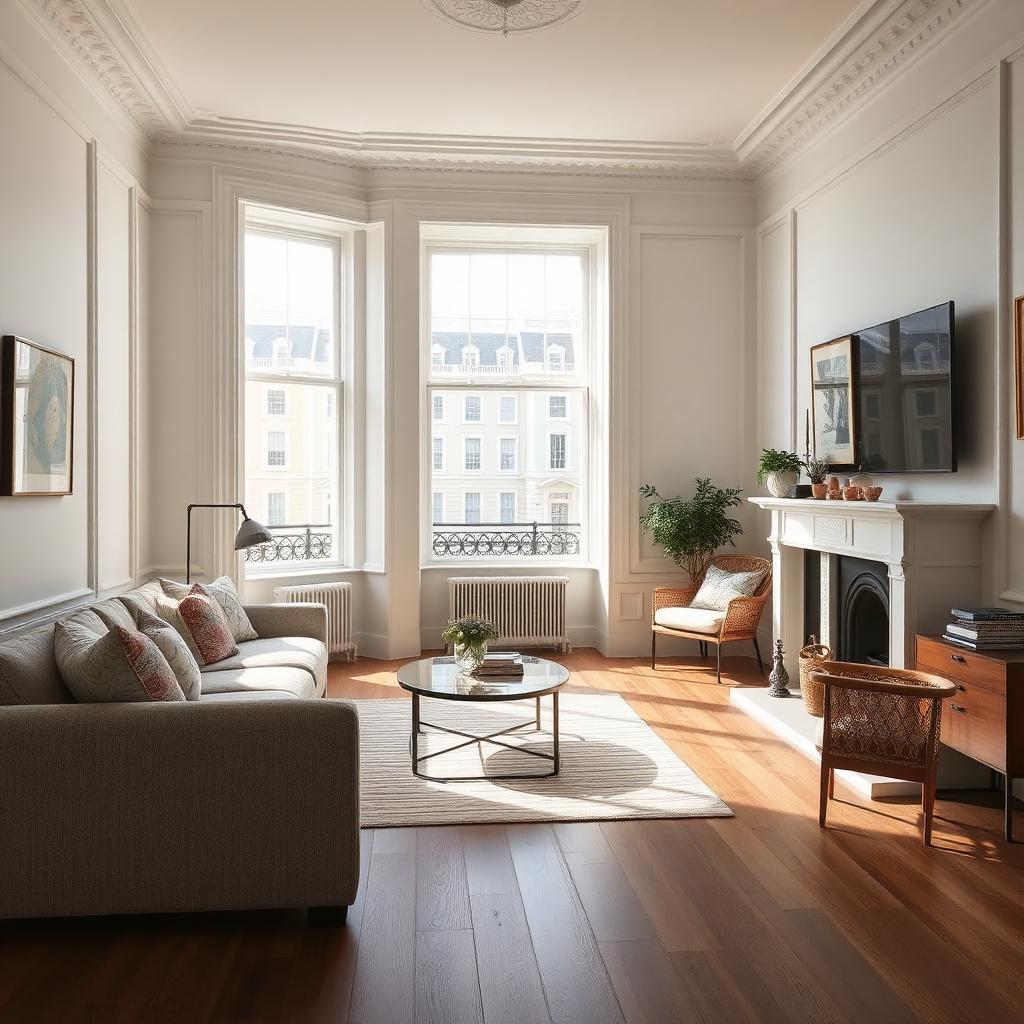
Restore or replace? The Hove period floor question
About 70% of Hove (BN3) period floors we survey are restorable. The other 30% are a replacement conversation — usually because of significant rot, missing boards, or a previous bodge that compromised the subfloor.
Sanding and gap-filling a typical Hove Victorian sitting room (16–22 m²) runs £600–£1,000 — half the cost of replacement and keeps the building's history under foot.
Specifying new flooring that fits Hove (BN3) period homes
Hardwax oil over UV lacquer on period homes — easier to repair locally without re-sanding the whole room, which matters when the boards are uneven.
On Hove Victorian villas, we recommend 140–180mm engineered oak in a smoked or hardwax-oiled finish. On Edwardian terraces, 120–160mm in a natural oil. On Georgian or Regency homes around the A259 / A27 side, herringbone parquet or wide oak plank in a brushed finish.
Local context
Brunswick Square Regency conservation area
Nearest station
Hove
Why Hove clients book us for this work
- BWF-trained restoration team working Hove period properties weekly
- Hardwax-oil finishes specified by default on period restorations
- BWF-trained restoration team working Hove period properties weekly
- Hardwax-oil finishes specified by default on period restorations
What changes when your Hove home is listed
Several Hove (BN3) streets fall inside conservation areas. For listed properties, floor replacement may need listed building consent — we'll flag this on the survey and coordinate with your conservation officer.
On listed Hove homes, we always favour restoration over replacement, document what we find under existing carpets, and use reversible installs (oiled boards over engineered substrate, not glue-down) where practical.
Period Property Flooring — Hove questions
- What's the right new wood floor for an Edwardian terrace in Hove?
- Engineered oak in 120–160mm widths, hardwax-oiled, no bevel — reads sympathetically with Hove Edwardian stock without trying to fake an original floor.
- Is solid wood OK in a Hove period home over old floorboards?
- Yes — solid wood (or thick engineered) over original boards is a classic period solution. Better than removing the original boards and replacing with a thin floating floor.
- Will sanding take too much off old pine boards in my Hove house?
- Modern dust-extraction belt sanders take 1–2mm off the top — original Victorian and Edwardian boards in Hove are typically 22–28mm thick, easily handling 2–3 sandings over their life.
- Can you restore original parquet under carpet in my Hove home?
- Often yes — we lift, clean, replace damaged blocks, re-glue and sand. About one in three Hove (BN3) period homes still have original parquet hiding under later carpet.
- Can you match new boards to existing in my Hove period home?
- Yes — we'll match width, species and finish where possible. Perfect colour matching is hard with reclaimed wood; a deliberate threshold or pattern change often reads better.
- How long does period floor restoration take in a Hove room?
- Typical 16–22 m² Hove sitting room: 2 days for sanding, gap-filling and three coats of oil. Walkable next morning, full cure 7 days.
Period flooring done sympathetically across Hove
Restoration first, replacement only when needed.
Hove period properties have flooring stories built in. The best refurb work brings them out rather than covers them over.
Nearby BN areas we cover for period property flooring
Other Hove flooring guides
Different angle on Hove (BN3) flooring — pick the one closest to your situation.