Consent comes first
Listed building consent can be required for works affecting historic fabric, including removing original floorboards or covering a historic floor with a new build-up. Conservation area status affects the exterior more than interior floors, but listing applies to the whole building including inside. Speak to your local conservation officer before work starts. We are happy to provide a written method statement to support an application.
Breathability and damp
Older buildings were built to breathe — lime mortar, suspended timber floors over ventilated voids, no damp-proof course. Sealing an old floor with an impermeable membrane or a modern screed can push moisture into the walls and cause damage well away from the floor itself. Where damp is present, the answer is usually improving ventilation to the void and clearing blocked airbricks, not tanking.
- Check airbricks are clear before assuming a damp problem needs treatment
- Avoid impermeable build-ups over solid or lime-based floors
- Take moisture readings across seasons where the reading is borderline
Repairing rather than replacing
Original pine, oak or elm boards are almost always worth saving. Split boards can be repaired, worn boards turned, and missing sections replaced with reclaimed timber of the same species, age and width. Our restoration work starts at £28/m². A century-old floor properly brought back has a depth of colour and wear no new board can imitate.
Sympathetic finishes
Hardwax oil is the right finish for most historic floors. It sits within the timber rather than forming a plastic film, it looks correct on old wood, it can be spot-repaired without sanding a whole room, and it is reversible in a way a modern lacquer is not. Heavy stains and high-gloss lacquers look wrong and are difficult to undo.
Reversibility
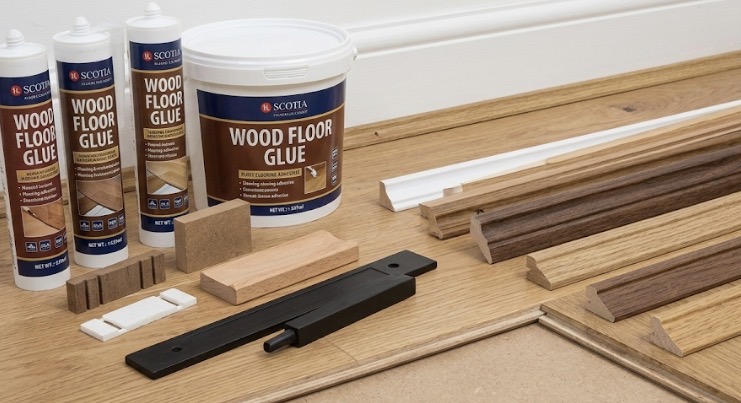
Conservation practice favours interventions that can be undone. Where a new floor is genuinely needed — a later extension, a non-original room — a floated or mechanically fixed floor over a breathable build-up is preferable to bonding directly onto historic fabric with modern adhesives.
How we work on listed properties
Survey first, with moisture readings and boards lifted at thresholds to see the construction. Then a written proposal setting out exactly what is being kept, repaired and replaced, with materials named — the level of detail a conservation officer expects. No work starts until you have whatever consent is required.