£150 OFFthis month —Claim now →
SUPPLY & FIT · LONDON · SUSSEX · SURREY

FINISH COMPARISON

Oiled vs lacquered wood floor finishes

The finish is what you actually touch, clean and scuff for the next fifteen years, and it's the decision people spend the least time on. Here's how the two behave in real houses rather than in a brochure.

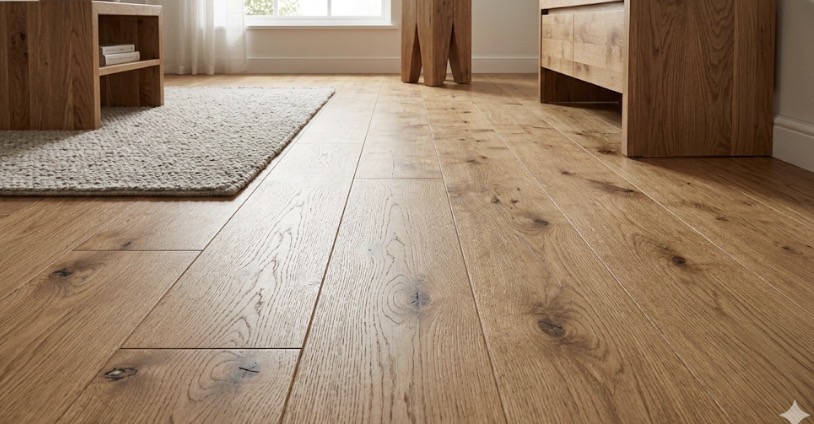
Close detail of a brushed and oiled oak floor surface

Hardwax oil

Oil soaks into the timber rather than sitting on top of it, so the grain stays tactile and the sheen is low. Damage is localised: a scratch can be cleaned, re-oiled and blended in a small area without touching the rest of the room. The trade-off is a re-oil every few years in high-traffic zones.

UV lacquer

Lacquer cures into a hard film over the surface. It resists spills and everyday scuffing well and needs nothing more than sweeping and a damp mop. When it does wear through — usually in a doorway or in front of a sink — you cannot patch it invisibly; the room needs re-coating.

Which we recommend where

Rentals and busy family kitchens usually get lacquer, because nobody is going to maintain an oiled floor on schedule. Owner-occupied period rooms and anywhere you want a natural, matte, close-to-raw look get hardwax oil.

  • Oil: repairable in patches, matte, needs periodic re-oiling
  • Lacquer: low maintenance, harder film, room-wide re-coat when worn
  • Both are available brushed, smoked or stained on the same board

Site-finished vs factory-finished

Factory finishes are cured in controlled conditions and are ready to walk on immediately. Site finishing lets us colour-match to an existing floor or joinery and leaves no micro-bevel line between boards. Restoration work is site-finished by definition; new supply is usually factory-finished unless you want a bespoke colour.

Side-by-side summary

Hardwax oilUV lacquer
LookMatte, natural grainSlight sheen, uniform
Spot repairsYes, blendableNo, re-coat the room
Routine careRe-oil high-traffic zonesSweep and damp mop
RentalsHigher upkeep riskRecommended
Pets and kidsForgiving of scratchesResists marking better

Frequently asked

Can I change from lacquer to oil later?
Yes, but only by sanding the lacquer off entirely. That's a full restoration job, so it's worth deciding properly now.
How often does an oiled floor need re-oiling?
It depends entirely on traffic — a hallway needs attention long before a bedroom. We hand over an aftercare pack with the maintenance products for the exact finish supplied.
Which hides dust better?
Matte oil. Very high-gloss lacquer shows every footprint, which is one reason we rarely specify it.
Do you match an existing floor's finish?
Where a room is being extended into, we colour-match on site with sample boards before committing to the whole floor.

In short

Oil for a natural look you can repair in patches; lacquer for low-maintenance durability in rentals and busy kitchens. The board underneath can be identical — the finish decides how the floor ages.

See both finishes in your own light

Finish samples look completely different at home than under showroom lighting.

4.9

Trustpilot

210+

4.9

Google Reviews

140+

9.8/10

Checkatrade

Vetted

BOOK YOUR FREE SURVEY

READY TO
FIT YOUR DREAM FLOOR?

Our flooring experts are here to help. Book a free on-site survey and get a no-obligation quote within 48 hours.

Get Free Quote →