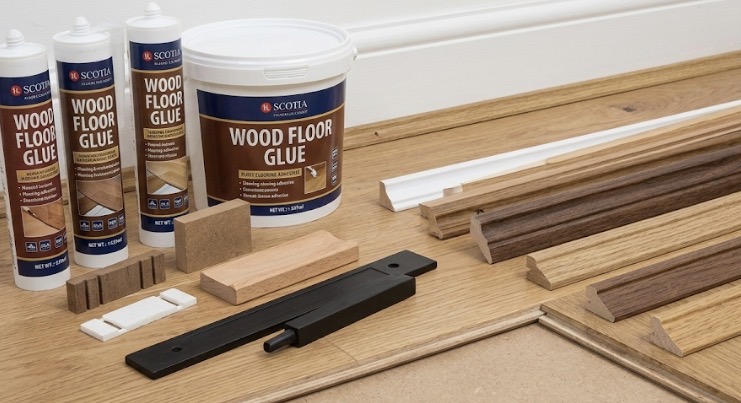
Replacing damaged boards or blocks
Priced per item. The cost is driven by matching, not by the timber — finding reclaimed boards of the right species, width and age is the skilled part, and on unusual sizes it can take a few weeks. A replaced board is fitted, then sanded flush and finished to blend, which is why isolated repairs on a floor with an existing finish never disappear entirely unless the room is re-finished.
Gaps and draughts
Two options. Resin filling mixed with sanding dust is cheaper and suits fine, irregular gaps; timber slivers glued into each gap are more expensive, more durable and the right answer for a wide-gapped Victorian pine floor. Slivers are priced per metre run and can add meaningfully to a job, but they stop the draught properly and they do not crack out in a year.
- Resin and dust fill: economical, best on hairline and irregular gaps
- Timber slivers: durable, suits consistent wide gaps
- Perimeter draughts are usually better fixed at the skirting than in the boards
Squeaks and movement
A squeak is almost always movement between board and joist, or between two boards. From above, it is cured by screwing the board down into the joist with countersunk screws and plugging the hole; from below, by packing and bracing the joist. We locate the source before doing anything, because face-fixing a whole floor to silence one squeak is a shame and unnecessary.
Water damage
The visible damage is usually smaller than the affected area. Boards cup because they took up moisture, and they often flatten out again once fully dried, so the first job is drying and measuring rather than cutting. Where boards have delaminated, blackened or lifted, they are replaced. On engineered board, a swollen wear layer cannot be sanded back and the plank has to come out.
When a repair becomes a restoration
If a patch repair is larger than roughly a fifth of the room, or the existing finish is worn generally, re-finishing the whole room usually costs less than fighting to blend a patch and gives a better result. Our restoration rate starts at £28/m², and we will tell you plainly at survey which side of that line your floor falls.